Introduction
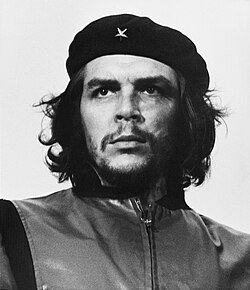
Che Guevara, whose full name was Ernesto Guevara de la Serna, was an Argentine revolutionary, physician, author, diplomat and guerrilla leader. He became one of the most recognised figures of the Cuban Revolution and later emerged as a global symbol of rebellion, anti-imperialism and revolutionary politics.
Early Life
Che Guevara was born on 14 May 1928 in Rosario, Argentina. He belonged to an educated family and developed a strong interest in reading, politics, literature and social issues from a young age. Despite suffering from asthma, he remained active in sports and intellectual activities.
Education and Medical Background
Guevara studied medicine at the University of Buenos Aires. His medical training gave him direct exposure to poverty, disease and inequality. His journey as a medical student later became deeply connected with his political transformation.
Motorcycle Journey Across South America
One of the most important phases of Che Guevara’s life was his motorcycle journey across South America with Alberto Granado. During this journey, he witnessed poverty, hunger, disease and social inequality. These experiences shaped his political views and inspired him to think beyond medicine toward revolutionary change.
Entry into Revolutionary Politics
Guevara’s political thinking developed strongly after witnessing the condition of workers, peasants and poor communities across Latin America. He became critical of imperialism, economic exploitation and social injustice. His experiences in Guatemala and Mexico further strengthened his revolutionary ideology.
Meeting Fidel Castro
In Mexico, Che Guevara met Fidel Castro and joined the 26th of July Movement. This meeting changed the direction of his life. He joined the Cuban revolutionary struggle against the Batista regime and became one of the key members of the movement.
Role in the Cuban Revolution
Che Guevara played an important role in the Cuban Revolution. He served as a guerrilla commander and became known for discipline, courage and strategic thinking. His role in the revolutionary campaign helped Fidel Castro’s movement gain strength and eventually overthrow the Batista government in Cuba.
Political Role in Cuba
After the Cuban Revolution, Che Guevara held important positions in the Cuban government. He served as President of the National Bank of Cuba and Minister of Industries. He also worked on literacy campaigns, land reform, economic planning and international diplomatic relations.
International Revolutionary Activity
Che Guevara believed that revolution should not remain limited to one country. He supported revolutionary movements in different parts of the world and later travelled to Africa and Bolivia to support armed revolutionary struggles.
Death in Bolivia
Che Guevara was captured in Bolivia and executed on 9 October 1967. His death made him a martyr-like figure for many leftist movements around the world. His image and ideas continued to influence political movements, student activism and revolutionary thought.
Legacy
Che Guevara remains one of the most debated figures in modern political history. Supporters see him as a symbol of resistance, equality and anti-imperialism, while critics accuse him of supporting violence and authoritarian methods. Despite differing views, his global influence remains undeniable.
Conclusion
Che Guevara’s life reflects a powerful combination of ideology, rebellion, sacrifice and controversy. From a medical student in Argentina to a global revolutionary icon, his journey continues to inspire debate in politics, history and social movements.
Important Links
Read more political biographies and leadership profiles on Priyanka Chauhan Blogs.